

Introduction
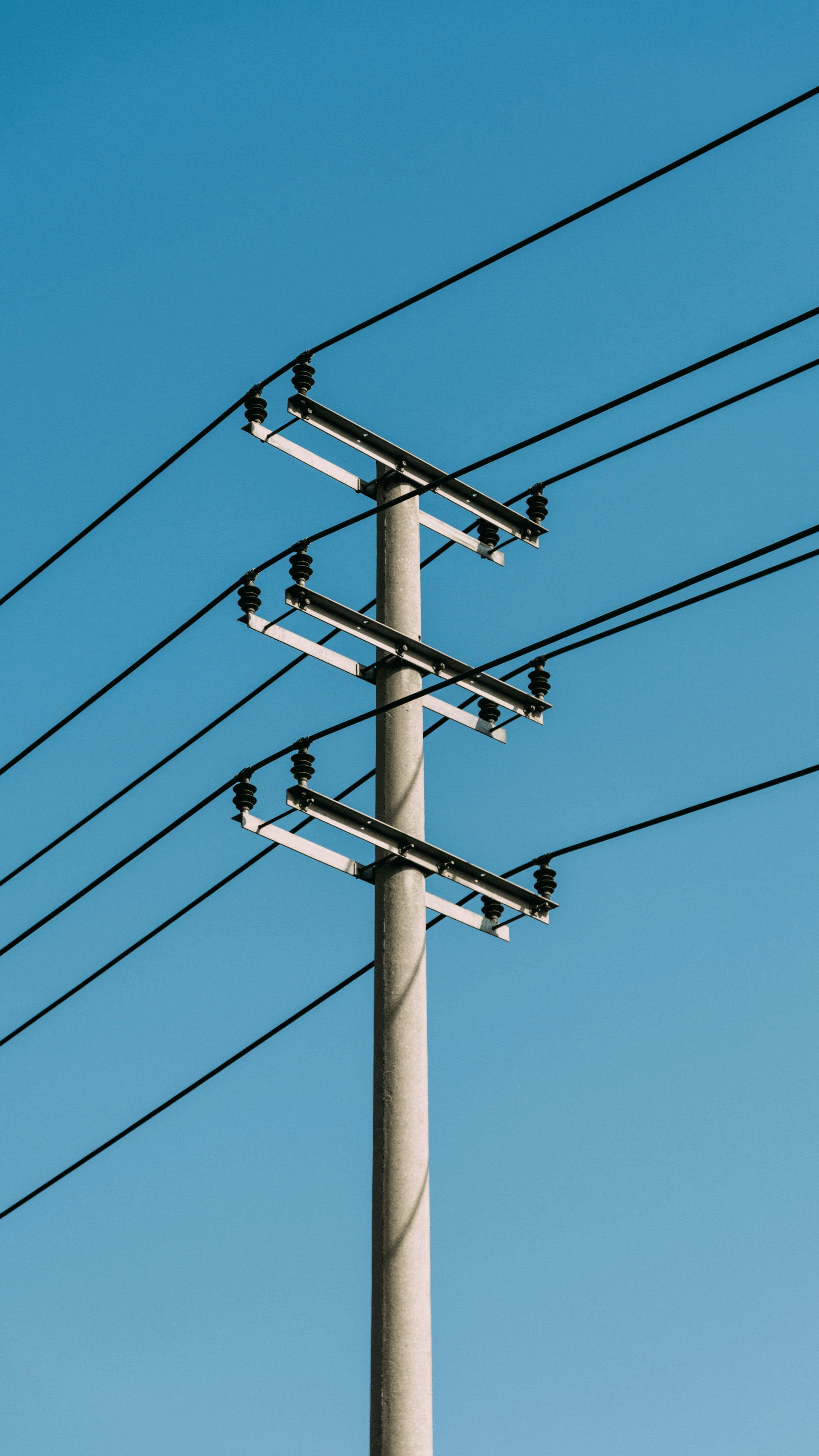
Overhead transmission lines are the unsung heroes of our electrical grid, tirelessly delivering power from generation points to homes and businesses. Understanding the intricacies of these systems, including their essential components and fittings, is crucial for ensuring reliable electricity flow. In this exploration, we will delve into key power line parts that make up overhead power lines, emphasizing the importance of quality overhead line fittings.
Understanding Overhead Transmission Lines
Overhead transmission lines are constructed to transport high-voltage electricity across vast distances with minimal loss. These lines consist of various components working together harmoniously—conductors, insulators, anchoring clamps, and vibration dampers in transmission lines play pivotal roles in maintaining efficiency and safety. By grasping how these elements function collectively, we can appreciate the engineering marvel that powers our modern society.
Key Power Line Parts Explained
To fully comprehend overhead power lines, it's essential to familiarize ourselves with their key components. Conductors carry the electrical current; insulators prevent unwanted leakage; anchoring clamps secure the structure against environmental forces; and vibration dampers mitigate oscillations caused by wind or other disturbances. Each part contributes significantly to the overall performance and reliability of power transmission systems.
Importance of Quality Overhead Line Fittings
Quality overhead line fittings are not just accessories—they are fundamental to ensuring a long-lasting and efficient power delivery system. Poorly made or inappropriate fittings can lead to failures that disrupt service and incur costly repairs or replacements. By investing in high-quality components from reputable suppliers like a trusted power cable accessories supplier, utilities can enhance safety and reliability while minimizing maintenance headaches.
The Structure of Overhead Power Lines
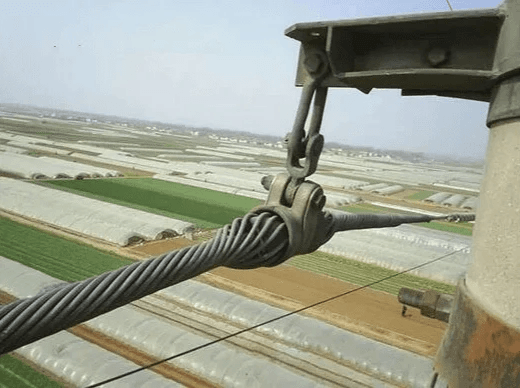
Overhead power lines are marvels of engineering, designed to efficiently transmit electricity from generation points to consumers. Understanding the structure of these lines is crucial for anyone involved in energy distribution, as it encompasses various power line parts that work in harmony. From conductors to insulators, each component plays a vital role in ensuring the reliability and safety of the entire system.
Essential Components and Their Functions
The essential components of overhead power lines include conductors, insulators, poles, and supporting hardware like anchoring clamps and vibration dampers. Conductors carry the electrical current, while insulators prevent unwanted flow to nearby structures or the ground. Poles provide vertical support for these components, ensuring stability under various environmental conditions.
Anchoring clamps are pivotal in securing overhead lines against lateral forces caused by wind or ice loading. Without them, the integrity of the overhead power line could be compromised. Vibration dampers also play a significant role by minimizing oscillations that can lead to wear and tear on these critical power line parts.
Types of Conductors Used
There are several types of conductors used in overhead power lines, each tailored for specific applications based on factors like distance and load capacity. Aluminum conductors are popular due to their lightweight nature and excellent conductivity; they often come reinforced with steel for added strength. Copper conductors are another option known for their superior conductivity but tend to be heavier and more expensive.
When selecting a conductor type, it's essential to consider not just performance but also compatibility with other overhead line fittings such as PG connectors and anchoring clamps. Each conductor must work seamlessly with these components to ensure optimal efficiency throughout its lifespan. Choosing the right conductor can significantly impact overall transmission effectiveness.
Role of Insulators in Safety
Insulators serve as a crucial barrier between conductive materials and their surroundings, preventing electrical leakage that could pose serious safety risks. They ensure that electricity flows through conductors while keeping it contained within its designated path—away from people or animals who might inadvertently come into contact with live wires. This protective function is especially important given that overhead power lines often traverse populated areas.
Different types of insulators exist based on voltage levels and environmental conditions; porcelain and glass insulators are common choices due to their durability against weather extremes. Proper installation is vital; any failure can lead not only to outages but also dangerous situations requiring immediate attention from maintenance crews equipped with tools like vibration dampers in transmission line setups for added protection against stress factors.
In summary, understanding the structure of overhead power lines involves recognizing how various components interact harmoniously—conductors carry current while insulators safeguard against hazards; anchoring clamps secure everything together amidst external forces; vibration dampers enhance durability over time; all working collaboratively ensures reliable energy delivery across vast distances.
Anchoring Clamps and Their Significance
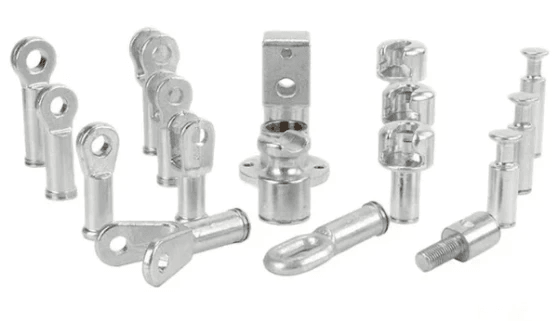
Anchoring clamps play a crucial role in the stability and safety of overhead power lines. These essential power line parts are designed to secure conductors to poles or structures, ensuring that the overhead lines remain taut and properly positioned. Without reliable anchoring clamps, the integrity of an entire transmission line can be compromised, leading to potential outages or hazards.
Functionality of Anchoring Clamps
The primary function of anchoring clamps is to provide a strong connection between the overhead power line and its supporting structures. They are engineered to withstand various environmental conditions, including wind loads and thermal expansion, which can cause movement in the conductors. By effectively distributing tension along the cable, anchoring clamps help maintain proper alignment and reduce stress on other critical components like vibration dampers in transmission lines.
How They Secure Overhead Lines
Anchoring clamps secure overhead lines by gripping the conductors tightly while allowing for some degree of movement caused by thermal changes or external forces. This flexibility is vital because it prevents damage from excessive strain on both the cables and their attachments. Additionally, these clamps often work in tandem with other essential power line parts such as insulators and PG connectors to create a cohesive system that enhances overall performance.
Choosing the Right Anchoring Clamp
Selecting the right anchoring clamp involves considering several factors such as conductor size, material compatibility, and environmental conditions where they will be installed. It's essential to consult with a reputable power cable accessories supplier who can provide guidance on suitable options based on specific project requirements. Remember that high-quality overhead line fittings not only improve reliability but also contribute significantly to the longevity of your entire transmission system.
Vibration Dampers: Enhancing Line Longevity
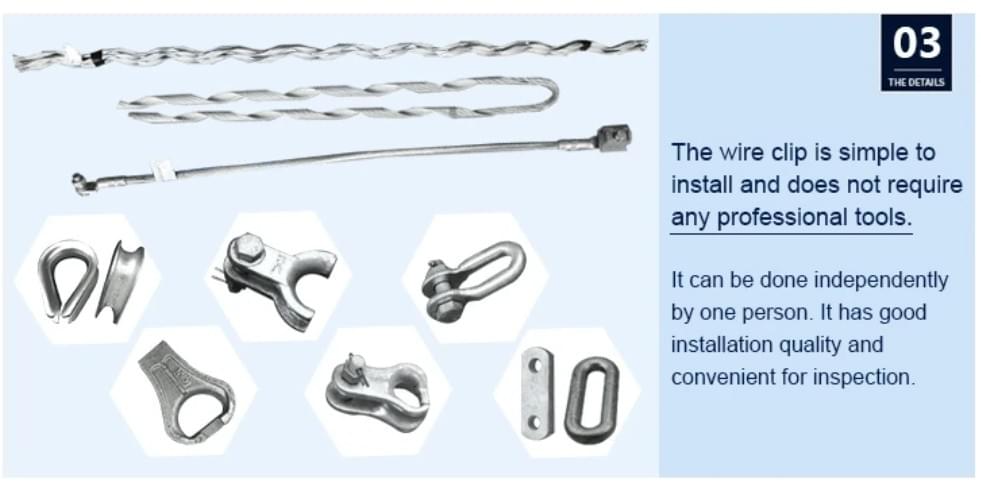
Vibration dampers play a pivotal role in maintaining the integrity of overhead power lines, ensuring they withstand environmental stresses. These essential power line parts mitigate the effects of wind-induced vibrations, which can lead to fatigue and eventual failure if left unchecked. By incorporating vibration dampers into transmission lines, utility companies enhance the longevity and reliability of their infrastructure.
Why Vibration Dampers are Needed
The need for vibration dampers arises from the relentless forces that overhead power lines face in their daily operations. Wind can cause conductors to sway and oscillate, leading to wear on various components like insulators and anchoring clamps. By absorbing these vibrations, vibration dampers protect vital power line parts from premature degradation and enhance overall system performance.
Moreover, without effective damping solutions, the constant movement can result in electrical arcing or even breakage at critical junctions like PG connectors. This not only disrupts service but also poses safety hazards for maintenance crews working on these overhead lines. Therefore, investing in quality vibration dampers is not just a choice; it's a necessity for anyone serious about maintaining reliable transmission systems.
Different Types of Vibration Dampers
When it comes to selecting vibration dampers for transmission lines, there’s no one-size-fits-all solution; various types cater to different needs. Among the most common are stockbridge dampers and spiral dampers—each designed with unique features that address specific vibration challenges faced by overhead power lines. Stockbridge dampers consist of a mass suspended on cables that counteract oscillations effectively, while spiral dampers wrap around conductors to dissipate energy.
Additionally, there are other innovative designs such as tuned mass dampers that specifically target certain frequencies of vibrations caused by wind or other external factors. Each type serves its purpose well but choosing the right one depends on factors like conductor type and environmental conditions surrounding your electrical infrastructure. Engaging with a reputable power cable accessories supplier can help you identify which damper best suits your requirements.
Installation Best Practices
Installing vibration dampers correctly is crucial for maximizing their effectiveness in transmission line applications. First off, it’s important to consult manufacturer guidelines specific to each type of damper; improper installation can negate any benefits gained from using them in the first place! Generally speaking, positioning them at calculated intervals along conductors will provide optimal protection against unwanted vibrations.
Furthermore, ensure that all connections are tight and secure—this includes checking anchoring clamps and PG connectors during installation to avoid any weak links in your overhead line fittings system. Regular inspections should also be part of your maintenance routine; monitoring wear on both the damper itself and surrounding components ensures long-term reliability of your overhead power line network.
The Role of PG Connectors

In the world of overhead power lines, PG connectors play a crucial role in ensuring reliable electrical transmission. These power line parts are essential for connecting conductors and maintaining the integrity of the electrical system. Without robust PG connectors, the safety and efficiency of overhead lines could be compromised, leading to potential outages or hazards.
Importance of PG Connectors in Transmission
PG connectors serve as vital links in the transmission of electricity, providing a secure connection between different components of an overhead power line. Their importance cannot be overstated; they help prevent energy loss and ensure that electricity flows smoothly from one point to another. By utilizing quality PG connectors, utility companies can enhance the overall performance and longevity of their overhead power line systems.
Types of PG Connectors for Various Applications
There are several types of PG connectors tailored for different applications within power line systems. Some common variations include standard PG connectors for general use, as well as specialized options designed for high-stress environments or specific voltage requirements. Choosing the right type is critical; whether you're looking at anchoring clamps or vibration dampers in transmission lines, selecting appropriate connectors ensures optimal functionality and safety.
Maintenance Tips for PG Connectors
To keep your overhead line fittings operating at peak performance, regular maintenance of PG connectors is essential. Inspecting these components for wear and tear helps identify potential issues before they become major problems; this proactive approach can save time and money down the line. Additionally, working with reputable power cable accessories suppliers can provide access to high-quality parts that enhance durability and reduce maintenance frequency.
Selecting Power Cable Accessories

When it comes to maintaining and enhancing the performance of overhead power lines, selecting the right power cable accessories is crucial. These accessories not only ensure safety but also contribute to the longevity and efficiency of the entire system. With a plethora of options available in the market, making informed decisions about which power line parts to choose can save time, money, and headaches down the line.
Choosing the Right Accessories
Choosing the right accessories for your overhead power line is akin to picking the perfect tools for a craftsman; each component plays a vital role in ensuring everything runs smoothly. Essential elements such as anchoring clamps, vibration dampers in transmission lines, and PG connectors must be selected based on specific application needs and environmental conditions. Moreover, understanding how these components work together will help you make better choices that optimize performance while minimizing maintenance costs.
When selecting accessories, consider factors like load capacity, material durability, and compatibility with existing infrastructure. For instance, high-quality vibration dampers can significantly extend line life by reducing oscillations caused by wind or other environmental factors. Similarly, ensuring that your PG connectors are suited for their intended application will prevent future issues related to connectivity or electrical resistance.
Recommended Power Cable Accessories Suppliers
Finding reliable suppliers for power cable accessories is like discovering a hidden gem; it can make all the difference in your project’s success. Look for suppliers who specialize in overhead line fittings and offer a comprehensive range of products tailored to various applications within power transmission systems. Established companies often provide detailed specifications on their products—this information is invaluable when choosing between different types of anchoring clamps or vibration dampers.
A few notable names in this field include manufacturers known for their commitment to quality and innovation in power line parts. They often have extensive catalogs that allow you to compare different options side by side based on functionality and price point. Additionally, customer reviews can shed light on which suppliers are most trusted by other professionals working with overhead power lines.
Custom Solutions from Spark Fittings
For those seeking unique or specialized solutions within their projects, Spark Fittings offers custom solutions that cater specifically to individual needs regarding overhead line fittings and accessories. Their expertise extends beyond standard offerings; they can design tailored anchoring clamps or specialized PG connectors that meet specific operational requirements while adhering to industry standards. This level of customization ensures optimal fitment within existing infrastructures without compromising overall performance.
Moreover, Spark Fittings emphasizes quality assurance throughout their manufacturing process—an essential factor when dealing with critical components like vibration dampers in transmission lines or any other essential power cable accessory you may require. Their commitment to providing excellent customer service means they’ll work closely with you from concept through installation—making them an invaluable partner in your overhead transmission projects.
Conclusion
In wrapping up our exploration of overhead transmission lines, it’s clear that the future of these systems hinges on advancements in technology and materials. As demand for reliable energy sources grows, innovations in power line parts will play a pivotal role in enhancing the efficiency and safety of overhead power lines. By focusing on quality fittings, including anchoring clamps and vibration dampers, we can ensure that these lines remain resilient against the elements.
The Future of Overhead Transmission Lines
The landscape of overhead power lines is evolving rapidly with new materials and technologies that promise improved performance. Innovations such as advanced vibration dampers in transmission line setups are essential for mitigating wear and tear caused by environmental factors. Moreover, the integration of smart PG connectors will enable better monitoring and maintenance capabilities, paving the way for a more reliable energy infrastructure.
Optimizing Performance with Quality Parts
To truly optimize performance in overhead transmission lines, investing in quality parts is non-negotiable. Each component—from anchoring clamps to insulators—plays a critical role in ensuring stability and longevity. Partnering with reputable power cable accessories suppliers can provide access to top-notch products designed to withstand harsh conditions while maintaining operational efficiency.
Trusting Experts in Overhead Line Solutions
Navigating the complexities of overhead line fittings requires expertise that comes from years of experience in the industry. Trusting experts who specialize in power line parts ensures that you receive guidance on selecting the right components tailored to your specific needs—whether it’s choosing suitable PG connectors or effective vibration dampers for your transmission line projects. By collaborating with knowledgeable professionals, you can rest assured that your infrastructure will be built to last.