

Introduction

In the world of electrical engineering, transmission line dampers play a crucial role in maintaining the integrity and performance of power lines. These devices are designed to reduce vibrations caused by wind, ice, and other environmental factors that can lead to wear and tear over time. Understanding the function and importance of different types of dampers in transmission lines is essential for ensuring reliable energy delivery.
Understanding Transmission Line Dampers
Transmission line dampers are specialized devices that mitigate vibrations along power lines, thereby enhancing their longevity and efficiency. Among the various types of dampers available, Stockbridge dampers and spacer dampers stand out for their unique functionalities. By effectively managing vibration in transmission lines, these dampers help prevent structural damage and maintain optimal performance.
Importance of Choosing the Right Damper
Selecting the appropriate transmission line damper is vital for addressing specific challenges posed by environmental conditions and mechanical stressors. The right damper can significantly reduce maintenance costs, improve system reliability, and extend the lifespan of transmission infrastructure. With options like spacer damper transmission line systems or Stockbridge damper in transmission line setups, understanding your needs is key to making an informed choice.
Overview of Damper Types
There are several types of dampers used in transmission lines, each with its own set of advantages tailored to different scenarios. Stockbridge dampers are widely recognized for their effectiveness against oscillations caused by wind-induced vibrations, while spacer dampers offer additional support between conductors to prevent contact during movement. Other solutions include vibration control systems that address more complex issues related to dynamic loads on power lines.
Types of Dampers in Transmission Lines

When it comes to ensuring the stability and longevity of transmission lines, understanding the various types of dampers is crucial. These devices play a vital role in reducing vibrations that can lead to structural issues, thereby enhancing the performance and reliability of the entire system. Among the most commonly used dampers are Stockbridge dampers, spacer dampers, and other vibration dampers that serve specific functions in maintaining line integrity.
Stockbridge Dampers Explained
Stockbridge dampers are among the most popular transmission line damper types utilized for their effectiveness in mitigating vibrations caused by wind and other environmental factors. They consist of a mass-spring system that absorbs vibrational energy, preventing excessive oscillation along the transmission line. The design is simple yet efficient, making Stockbridge dampers an essential component for any robust transmission line setup.
Stockbridge damper installations require careful consideration to ensure optimal performance; they must be placed at strategic intervals along the line based on environmental conditions and vibration levels. This damper type is particularly effective in high-wind areas where vibrations can become problematic over time. By using a Stockbridge damper in a transmission line, utilities can significantly extend the lifespan of their infrastructure while minimizing maintenance costs.
Spacer Dampers and Their Benefits
Spacer dampers are another integral part of managing vibrations within transmission lines, often overlooked but equally important as their counterparts like Stockbridge dampers. These devices help maintain proper spacing between conductors while also mitigating vibration-induced movement that could cause wear and tear on both conductors and insulators alike. The spacer damper's ability to absorb shocks not only enhances safety but also contributes to overall system efficiency.
One key advantage of spacer dampers is their versatility; they come in various designs tailored for different voltage levels and environmental conditions, making them suitable for diverse applications within power grids. Additionally, installing spacer dampers can reduce sagging among conductors during adverse weather conditions—ensuring better alignment with regulatory clearance requirements over time. Therefore, choosing the right spacer damper for your transmission line is crucial for achieving optimal performance.
Overview of Vibration Dampers
Vibration in transmission lines can result from multiple sources such as wind load, galloping ice formations, or even seismic activity—all leading to potential damage if left unaddressed. Various types of vibration dampers exist beyond just Stockbridge or spacer options; these include tuned mass dampers or friction-type solutions designed specifically for unique challenges faced by specific lines or regions. Understanding these options allows utilities to customize solutions based on localized needs effectively.
The primary function of any vibration damper is to absorb excess energy generated by oscillations within a conductor system—ultimately reducing stress on components like towers or insulators which may lead to failures if not managed properly over time. By appropriately applying these technologies across different segments of a power grid infrastructure—including armor rods that protect against wear—utilities can create an environment where reliability thrives despite external challenges posed by nature or aging equipment systems alike.
The Role of Stockbridge Dampers
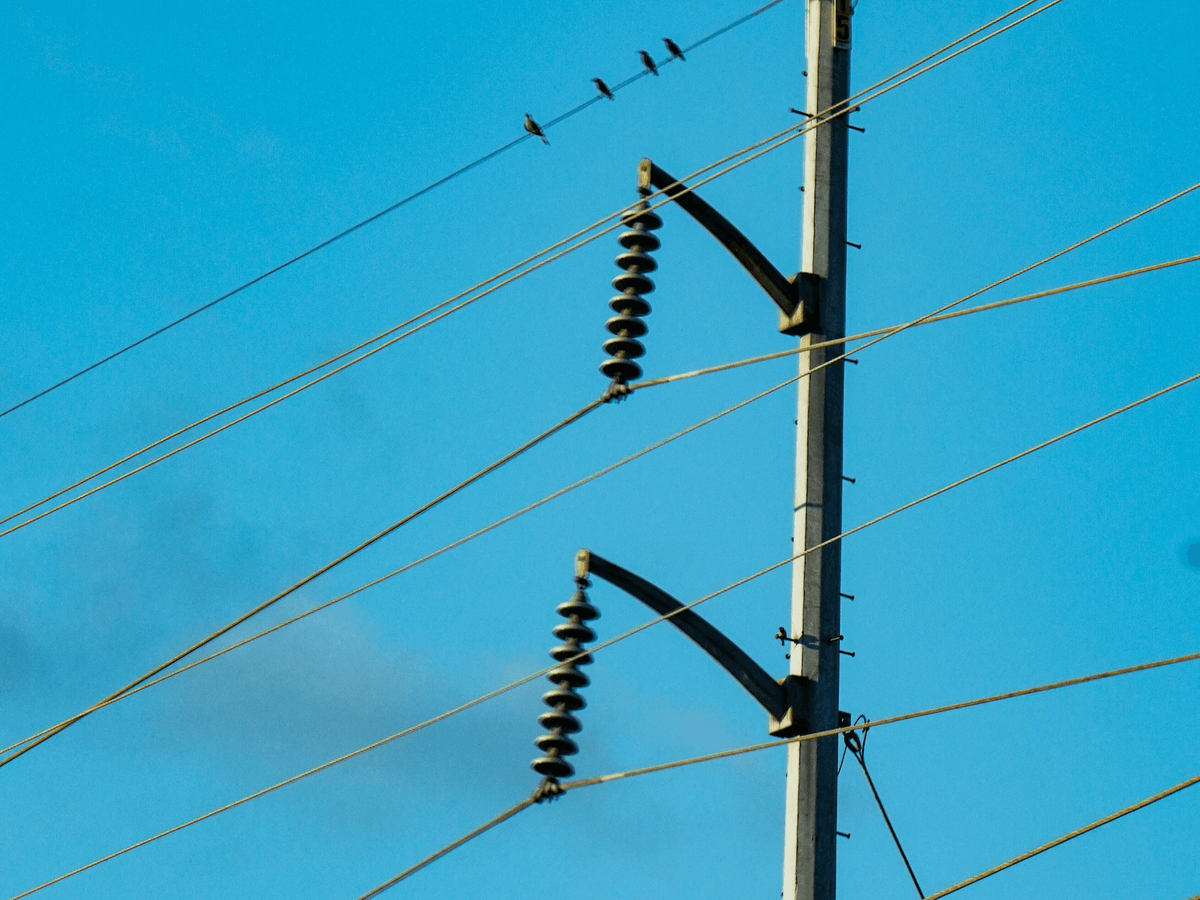
When it comes to managing vibration in transmission lines, Stockbridge dampers are the unsung heroes that often go unnoticed until their importance is realized. These specialized devices are designed to minimize the oscillations caused by wind and other environmental factors, ensuring that the integrity of the transmission line remains intact. By strategically placing Stockbridge dampers along a transmission line, utility companies can significantly enhance performance and reduce maintenance costs.
How Stockbridge Dampers Mitigate Vibration
Stockbridge dampers function by using a combination of mass and stiffness to counteract vibrations in transmission lines. They are typically installed at specific intervals based on engineering assessments, allowing them to absorb energy from oscillations effectively. This unique design helps prevent fatigue in the conductor material and minimizes wear over time, ultimately extending the lifespan of the entire transmission system.
The effectiveness of these dampers lies in their ability to target specific frequencies associated with vibration in transmission lines. As wind or other forces create movement, Stockbridge dampers respond dynamically, dissipating energy and stabilizing the line against unwanted swaying or oscillation. This makes them an essential component for maintaining reliability and safety across various types of dampers in transmission lines.
Installation Techniques for Stockbridge Dampers
Installing Stockbridge dampers requires careful planning and execution to ensure optimal performance. Typically, these dampers are attached directly to the conductor using clamps that secure them without causing damage to the wire itself. Proper placement is crucial; engineers must consider factors like tension levels, span length, and environmental conditions when determining where each damper should be installed.
During installation, it's important to follow manufacturer guidelines closely as improper installation can lead to ineffective vibration mitigation or even damage to both the damper and conductor. Additionally, regular inspections post-installation help identify any potential issues early on before they become costly problems down the road. With correct installation techniques in place, Stockbridge dampers can dramatically improve stability on any transmission line.
Real-World Applications of Stockbridge Dampers
Stockbridge dampers have found applications across various environments—from urban areas with tall buildings creating turbulence to rural locations where wind patterns can be unpredictable. For instance, utility companies often deploy these devices on long spans between towers where vibration is most pronounced due to environmental stressors like high winds or ice accumulation on conductors.
In one notable case study involving a major power grid project, engineers reported a significant reduction in conductor oscillation after implementing Stockbridge dampers at critical points along their transmission line route. This not only improved reliability but also reduced maintenance costs associated with frequent repairs caused by excessive vibrations over time.
Ultimately, whether used alongside spacer damper transmissions lines or as standalone solutions for mitigating vibration issues within existing infrastructures—Stockbridge dampers play an invaluable role in ensuring that our electrical grids operate smoothly and efficiently.
Spacer Dampers: The Unsung Heroes
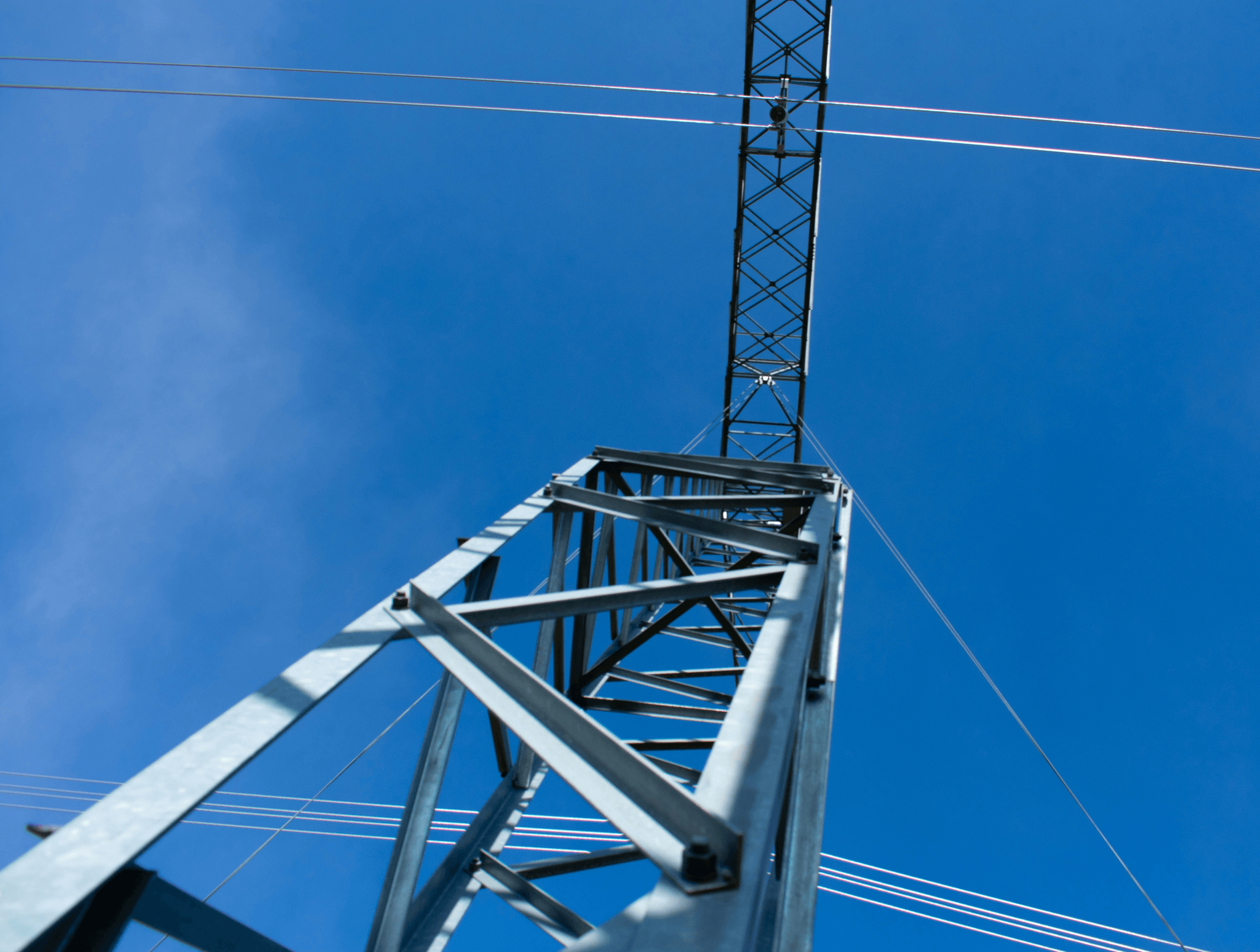
When it comes to transmission line dampers, spacer dampers often play a crucial yet understated role. While Stockbridge dampers tend to steal the spotlight with their impressive vibration mitigation capabilities, spacer dampers are equally important in ensuring the stability and longevity of transmission lines. They work behind the scenes, effectively reducing vibrations and preventing conductor clashing that could lead to significant damage.
Functionality of Spacer Dampers
Spacer dampers serve a vital function in maintaining proper spacing between conductors in a transmission line. By doing so, they prevent unwanted contact between adjacent wires, which can lead to wear and tear over time due to vibration in transmission lines. These specialized devices also help distribute wind loads evenly across the conductors, reducing stress and prolonging the life of both the conductors and associated fittings like armor rods.
The design of spacer dampers allows them to absorb vibrational energy while providing stability during adverse weather conditions. This functionality is particularly beneficial in areas prone to high winds or ice accumulation, where traditional methods may fall short. As unsung heroes of transmission line infrastructure, spacer dampers ensure that everything stays aligned and secure while minimizing maintenance costs.
Choosing the Right Spacer Damper for Your Line
Selecting the right spacer damper for your specific transmission line can be a bit like finding a needle in a haystack—there are numerous options available! Factors such as conductor size, span length, and environmental conditions all play a role in determining which type will work best for your application. It's essential to consult manufacturers' specifications or industry experts when making this decision; after all, choosing an inappropriate damper could lead to complications down the road.
Additionally, compatibility with other components is crucial; for example, if you're using armor rods in your setup, you'll want to ensure that your chosen spacer damper works harmoniously with them. Understanding these nuances can save you from potential headaches later on—nobody wants unexpected downtime due to faulty equipment! So take your time and weigh your options carefully when selecting a spacer damper for your transmission line.
Limitations and Considerations of Spacer Dampers
While spacer dampers are undoubtedly effective at managing vibrations within transmission lines, they do come with their limitations. For instance, they may not be suitable for every type of vibration scenario—certain extreme conditions might require additional support from other types of dampers in transmission lines such as Stockbridge dampers or specialized vibration control solutions. It's essential to assess whether these limitations align with your operational needs before settling on a solution.
Another consideration is installation; improper installation can negate all benefits offered by spacer dampers and potentially create new issues altogether! Therefore, it's imperative that qualified personnel handle this aspect meticulously—after all, no one wants their carefully chosen damping solution turning into an expensive paperweight due to poor execution!
In conclusion, while spacer dampers may not always grab headlines like their Stockbridge counterparts do within discussions about vibration management strategies in transmission lines—they certainly deserve recognition for their contributions toward system reliability and longevity.
Understanding Vibration in Transmission Lines

Vibration in transmission lines is a critical issue that can significantly affect the overall performance and lifespan of electrical infrastructure. Various factors contribute to this vibration, leading to potential risks if not managed effectively. Understanding the causes, impacts, and solutions related to vibration is essential for maintaining reliable transmission line operations.
Causes of Vibration in Transmission Lines
Vibration in transmission lines can arise from several sources, including wind-induced oscillations, mechanical forces from equipment, and even seismic activity. One of the primary culprits is aerodynamic forces acting on conductors, which can lead to unwanted movement and stress on the system. Additionally, changes in temperature can cause thermal expansion or contraction of materials, further contributing to vibration issues that necessitate the use of appropriate dampers like Stockbridge dampers and spacer dampers.
Impact of Vibration on Line Performance
The impact of vibration on line performance cannot be underestimated; excessive movement can lead to conductor wear and tear or even catastrophic failures if left unchecked. High levels of vibration may compromise insulation integrity or result in premature aging of materials such as armor rods used in transmission lines. Ultimately, addressing vibration through effective solutions ensures that these systems operate efficiently while minimizing maintenance costs associated with damage.
Solutions for Managing Vibration
To manage vibration effectively within transmission lines, various strategies are employed including the installation of different types of dampers such as Stockbridge dampers and spacer dampers specifically designed for this purpose. These devices absorb energy from vibrations and reduce their amplitude before they can cause significant harm to the structure or its components. Furthermore, regular inspections combined with proactive maintenance practices help identify potential issues early on—ensuring that your transmission line remains resilient against challenges posed by vibration.
Armor Rods in Transmission Lines

Armor rods play a crucial role in enhancing the durability and performance of transmission lines. These protective elements are designed to shield conductors from wear and tear, particularly at points where they experience the most stress, such as at suspension points or where they make contact with hardware. By understanding the materials used in armor rods, their compatibility with other components, and the options available for custom fittings, we can ensure optimal performance of the entire transmission line system.
Materials Used in Armor Rods
The materials selected for armor rods are essential to their effectiveness in protecting transmission lines. Typically made from high-strength materials like fiberglass or aluminum, these rods provide excellent resistance to abrasion and environmental factors. The choice of material not only affects the longevity of the armor rod but also its ability to mitigate vibration in transmission lines, ensuring that it can withstand harsh conditions while maintaining line integrity.
The Importance of Material Compatibility
Material compatibility is a critical factor when selecting armor rods for use in transmission lines. If armor rods are made from materials that react adversely with other components—such as conductors or fittings—it could lead to accelerated wear or even failure of the system. Ensuring that all parts work harmoniously together is vital; this means considering factors like thermal expansion rates and corrosion resistance when integrating armor rods into your overall setup.
Spark Fittings and Custom Armor Rods
In addition to standard options, spark fittings and custom armor rods offer tailored solutions for specific challenges faced by transmission line operators. These custom solutions can address unique environmental conditions or specific mechanical stresses that standard products may not handle effectively. By incorporating spark fittings into your design, you enhance both safety and performance while ensuring that your spacer damper transmission line remains robust against potential failures.
Conclusion
In the world of transmission lines, dampers play a crucial role in maintaining stability and performance. From Stockbridge dampers to spacer dampers, understanding the various types of dampers in transmission lines is essential for effective management of vibration and overall line integrity. Each damper type offers unique benefits tailored to specific challenges faced by transmission lines.
Summary of Key Damper Types
The primary types of dampers used in transmission lines include Stockbridge dampers and spacer dampers, each serving distinct purposes. Stockbridge dampers in transmission lines are particularly effective at mitigating vibrations caused by wind or other environmental factors, while spacer dampers help maintain proper spacing between conductors, reducing wear and tear. Understanding these key damper types allows engineers to select the most suitable options for their specific line requirements.
Final Thoughts on Selecting Dampers
Choosing the right transmission line damper is not merely a matter of preference; it’s a strategic decision that can significantly affect line performance and longevity. Factors such as vibration intensity, environmental conditions, and installation techniques should all be considered when selecting between spacer damper transmission line options or Stockbridge damper configurations. Ultimately, investing time in this selection process will yield dividends in reduced maintenance costs and improved reliability.
Future Trends in Transmission Line Dampers
As technology evolves, so too does the design and functionality of transmission line dampers. We can expect innovations that enhance the effectiveness of existing solutions like armor rods in transmission lines while introducing new materials that improve durability against harsh weather conditions. The future will likely see an increased focus on smart damping solutions equipped with sensors to monitor vibration levels in real-time—making our power grids smarter and more resilient than ever before.