

Introduction
These devices play a fundamental role in supporting conductors, but their effectiveness hinges on proper installation techniques. Unfortunately, many users encounter issues with anchoring clamp damage due to improper handling or a lack of knowledge about best practices.
Understanding Anchoring Clamps
Anchoring clamps are specialized fittings designed to attach conductors securely to structures like poles or towers. Their primary purpose is to provide stability and prevent movement caused by environmental factors such as wind or ice loading. By grasping the conductor firmly, an anchor clamp ensures that the electrical lines remain in place, reducing the risk of outages and enhancing overall system performance.
Importance of Proper Installation
The significance of proper installation cannot be overstated when it comes to anchoring clamps; incorrect methods can lead to severe consequences. A poorly installed anchor clamp may not only compromise the integrity of the conductor but also lead to costly repairs down the line due to potential failures. Ensuring that these clamps are installed correctly is essential for maintaining system reliability and avoiding any unnecessary anchoring clamp damage.
Common Issues with Anchoring Clamps
Despite their importance, users often face common issues associated with anchoring clamps that can hinder performance. One prevalent problem is overlooking critical installation guidelines, which can lead to improper fitting and increased wear over time. Additionally, failure to inspect for damage before installation can result in using compromised components that may eventually fail under stress, further emphasizing the need for diligence when working with these vital fittings.
What is an Anchoring Clamp?

Anchoring clamps play a crucial role in securing electrical conductors and ensuring stability in various installations. These devices are designed to hold cables in place, preventing movement that could lead to wear or damage over time. Understanding their definition and purpose is essential for anyone involved in installation or maintenance work.
Definition and Purpose
An anchoring clamp is a device used to secure electrical conductors, typically overhead lines, to poles or other structures. Its primary purpose is to provide support and stability, ensuring that the conductor remains fixed in position even under stress from wind, ice, or other environmental factors. Properly installed anchoring clamps help prevent conductor sagging and potential anchoring clamp damage that could compromise the entire system's integrity.
Types of Anchoring Clamps
There are several types of anchoring clamps available, each designed for specific applications and conductor materials. Common types include dead-end clamps, suspension clamps, and strain clamps, which vary based on the load they need to support and the environment they operate in. Choosing the right anchor clamp type is vital for ensuring optimal performance and longevity of both the clamp itself and the conductors it secures.
How They Work
Anchoring clamps function by gripping the conductor tightly while distributing stress evenly across its surface area. This design minimizes localized pressure points that could lead to wear or failure over time. Additionally, many modern anchoring clamps feature built-in mechanisms that allow for some flexibility during extreme weather conditions—an essential factor when considering potential anchoring clamp damage from environmental forces.
The Role of Armor Rods

These protective devices are designed to reinforce the strength of conductors, making them less susceptible to wear and tear. Without armor rods, the risk of anchoring clamp damage increases significantly, leading to potential failures and costly repairs.
What Are Armor Rods?
Armor rods are cylindrical protective coverings made from durable materials that encase overhead conductors. Their primary purpose is to provide mechanical support and protection against environmental factors such as wind, ice, and abrasion from other equipment or structures. By reinforcing the conductor’s integrity, armor rods help maintain the effectiveness of anchoring clamps throughout their lifespan.
Material Selection for Armor Rods
Choosing the right material for armor rods is essential for maximizing their performance and durability. Common materials include fiberglass, aluminum, and various polymers that can withstand harsh weather conditions while providing flexibility and strength. The selection process should consider factors like conductor type and environmental exposure to ensure that the armor rod complements the anchoring clamp effectively.
Benefits of Using Armor Rods
Incorporating armor rods into your anchoring system offers several significant benefits that enhance overall performance. Firstly, they protect conductors from external damage which can lead to premature failure or increased maintenance costs related to anchoring clamp damage. Secondly, they improve load distribution across the conductor when tension is applied during installation or under stress from environmental factors—ensuring a secure attachment with your anchor clamp.
Choosing the Right Anchoring Clamp
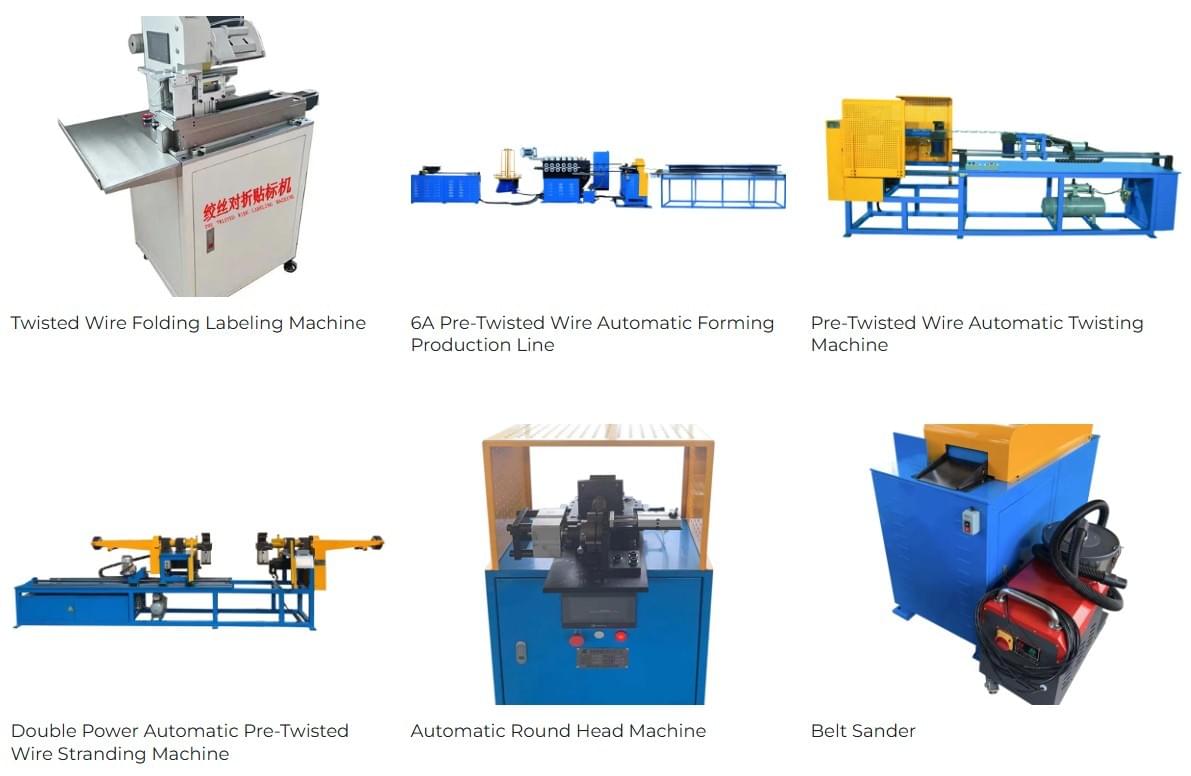
Selecting the appropriate anchoring clamp is crucial for ensuring the stability and longevity of your installation. A well-chosen anchor clamp can significantly reduce the risk of issues like sagging or damage over time. With a variety of options available, understanding what factors to consider will help make your choice easier.
Factors to Consider
When choosing an anchoring clamp, several factors come into play that can affect its performance and durability. First, consider the environmental conditions where the clamp will be installed; exposure to moisture, temperature fluctuations, and corrosive elements can all impact material selection. Additionally, load requirements should not be overlooked; ensure that your chosen anchoring clamp can withstand the tension and weight it will bear.
Another important factor is compatibility with existing hardware and conductor types. The anchoring clamp must fit seamlessly with other components in your system to avoid any potential weaknesses or failures. Lastly, consult manufacturer specifications for any unique characteristics that may influence your decision—after all, not all clamps are created equal!
Matching with Conductor Raw Material
Matching your anchoring clamp with the conductor's raw material is essential for ensuring optimal performance and minimizing wear over time. Different materials have varying properties; for instance, aluminum conductors require aluminum clamps while copper conductors call for copper or compatible alloys. This compatibility helps prevent galvanic corrosion—a sneaky culprit that can cause premature failure.
Moreover, using an incorrect material can lead to unnecessary stress on both the anchor clamp and conductor, potentially resulting in anchoring clamp damage down the line. Therefore, always double-check specifications before making a purchase; it’s better to be safe than sorry! By selecting a matching material, you’re investing in a longer-lasting solution that protects both your investment and safety.
Avoiding Anchoring Clamp Damage
To keep your anchoring clamps in tip-top shape and avoid costly damages later on, proper installation techniques are key! Begin by ensuring that you handle each component carefully during installation; rough handling can lead to micro-cracks or other forms of damage even before they’re put into service. Additionally, pay attention to torque specifications when securing clamps—over-tightening may seem like a good idea but could actually compromise their integrity.
Installation Steps for Anchoring Clamps

Installing an anchoring clamp properly is crucial to ensure its effectiveness and longevity. This section will guide you through the essential steps involved in preparing the installation site, executing proper techniques, and checking for secure attachment. By following these steps diligently, you can minimize the risk of anchoring clamp damage and maximize performance.
Preparing the Installation Site
Before diving into the installation of your anchoring clamp, it's vital to prepare your site meticulously. Start by clearing the area of any debris or obstacles that could hinder your work or compromise safety. Next, inspect the surrounding environment for any potential hazards such as overhead power lines or unstable ground conditions that could affect the stability of your anchor clamp once installed.
Additionally, ensure you have all necessary tools and materials ready at hand—this includes not just the anchoring clamps themselves but also any required fasteners and protective gear. Creating a clean and organized workspace will streamline your installation process and help prevent mistakes that could lead to damage later on.
Proper Installation Techniques
With a well-prepared site, it’s time to focus on proper installation techniques for your anchoring clamps. Begin by positioning the anchor clamp correctly around the conductor, ensuring it fits snugly without causing excessive pressure that could lead to damage. Pay close attention to alignment; improper placement can result in uneven tension distribution, which may compromise performance over time.
Once positioned, secure the anchoring clamp using recommended fasteners while adhering strictly to manufacturer guidelines regarding torque specifications. This ensures that you're neither under-tightening nor over-tightening—both of which can lead to premature wear or failure of the clamp itself.
Checking for Secure Attachment
After installing your anchor clamp, it’s crucial to perform a thorough inspection to confirm a secure attachment before moving on with any additional work. Start by visually examining each connection point; look for signs of misalignment or insufficient tightening that might indicate potential issues down the line.
Next, give each installed component a gentle tug—this simple test can reveal whether everything is securely anchored in place or if adjustments are needed before proceeding further. Remember: addressing any issues now can save you from costly repairs due to anchoring clamp damage later!
Common Installation Mistakes
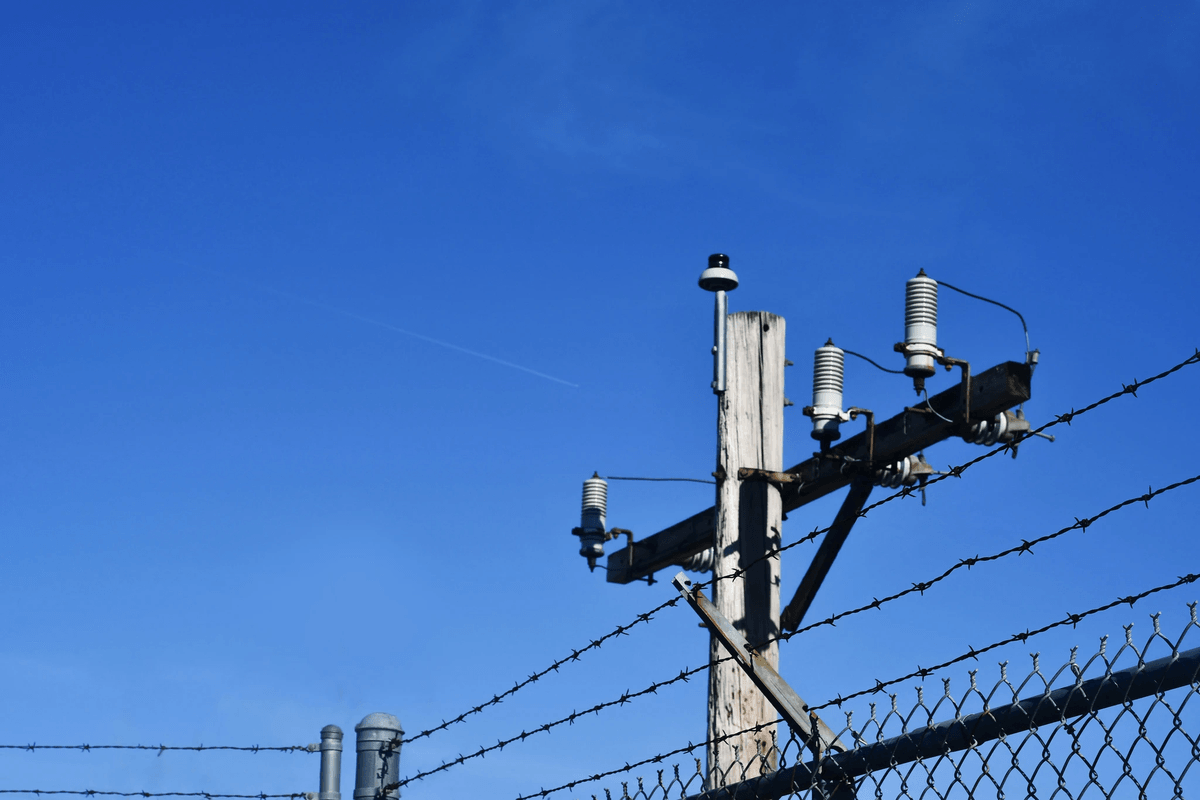
When it comes to installing anchoring clamps, even the smallest oversight can lead to significant issues down the line. Many installers fall into common traps that can compromise the integrity of their work and potentially lead to anchoring clamp damage. Understanding these pitfalls is crucial for achieving a secure and reliable installation.
Overlooking Color Codes
One of the most frequently ignored aspects during installation is the color coding associated with anchoring clamps. These codes are not just for decoration; they serve as essential guides for matching components and ensuring compatibility with specific conductors. Neglecting to pay attention to these color codes can result in using an inappropriate anchor clamp, which may lead to failure under stress or environmental conditions.
Ignoring Manufacturer Guidelines
Every manufacturer provides specific guidelines for their products, including anchoring clamps, and ignoring these instructions can be a costly mistake. These guidelines are tailored based on extensive testing and engineering principles that ensure optimal performance and safety. By disregarding these recommendations, you risk not only damaging the anchor clamp but also compromising the entire installation's effectiveness.
Failing to Inspect for Damage
Before installing any anchoring clamp, it's vital to perform a thorough inspection of all components involved in the process. Failing to check for pre-existing damage—such as cracks or corrosion—can lead to unexpected failures later on, resulting in costly repairs or replacements down the line. Regular inspections help prevent issues related to anchoring clamp damage and ensure that your installation remains secure over time.
Conclusion
In wrapping up our exploration of anchoring clamps, it’s vital to emphasize their role in ensuring the safety and stability of electrical installations. Proper installation and maintenance can significantly enhance the longevity of these components, reducing the risk of anchoring clamp damage over time. By understanding the intricacies involved in selecting and installing anchor clamps, you can contribute to a more reliable infrastructure.
Ensuring Longevity of Anchoring Clamps
To ensure the longevity of anchoring clamps, regular inspections should be part of your maintenance routine. Over time, environmental factors and wear can lead to potential anchoring clamp damage that could compromise structural integrity. By proactively checking for signs of wear or fatigue, you can address issues before they escalate into costly repairs or safety hazards.
The Importance of Professional Manufacturing
High-quality materials and precise engineering help prevent premature failure and minimize the risk of anchor clamp breakdowns during use. Investing in professionally manufactured products not only enhances performance but also provides peace of mind knowing that your installations are built to last.
Custom Solutions from Spark Fittings
Spark Fittings offers custom solutions tailored specifically for your unique needs when it comes to anchoring clamps. Their expertise allows for adjustments in design and material selection that align perfectly with your project requirements while minimizing risks associated with improper fittings or potential damage. With Spark Fittings on your side, you’ll have access to innovative designs that elevate your installations while ensuring optimal performance.