

Introduction
In the world of electrical infrastructure, utility pole anchors play a pivotal role in ensuring stability and safety. These anchors are essential for supporting the weight of utility poles, allowing them to withstand environmental stresses such as wind and ice. The reliability of a utility pole anchor directly affects the overall integrity of the electrical system, making it crucial to understand their significance.
Understanding the Importance of Utility Pole Anchors
Utility pole anchors are not just simple fasteners; they are critical components that secure poles in place, preventing them from toppling over during adverse weather conditions. Without proper anchoring, even the most robust utility poles can become dangerous liabilities, leading to power outages or accidents. This underscores why selecting the right type of anchor and ensuring its proper installation is paramount for any electrical infrastructure project.
The Role of Fasteners in Electrical Infrastructure
Fasteners like wall anchors, screw anchors, and bolt anchors serve as the backbone of any construction or electrical project. They provide the necessary support and stability required for various installations, from securing light fixtures to holding up heavy utility poles. Understanding how these fasteners work in conjunction with each other allows engineers and contractors to create safer and more reliable structures.
The Basics of Utility Pole Anchors
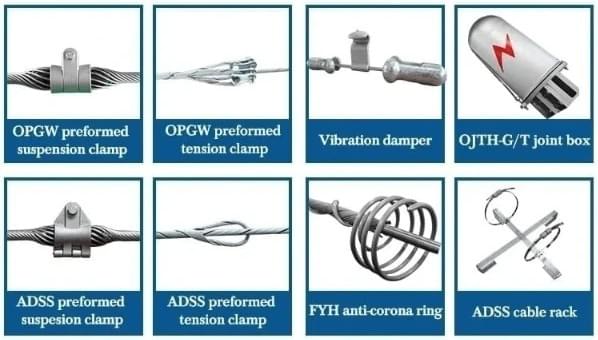
Utility pole anchors are essential components in ensuring the stability and safety of electrical infrastructure. These anchors provide the necessary support to keep utility poles upright, especially in adverse weather conditions. Understanding the different types of utility pole anchors and their installation techniques is crucial for anyone involved in electrical projects.
Types of Utility Pole Anchors
The most common types include screw anchors, which are twisted into the ground for a secure hold; bolt anchors, which are driven into pre-drilled holes; and wall anchors that stabilize poles against lateral forces. Choosing the right type of anchor can significantly impact the overall integrity of your installation, making it vital to assess your project's needs carefully.
Installation Techniques for Utility Pole Anchors
Installing utility pole anchors requires precision and knowledge of best practices to ensure optimal performance. For screw anchors, it's essential to use a torque wrench to achieve the correct depth without over-torquing, while bolt anchors typically involve drilling a hole before inserting the anchor with a bolt-in anchor method. Regardless of the type chosen—whether a screw anchor or a bolt anchor—the key is following manufacturer guidelines and local regulations for safe installation.
Importance of Proper Placement
Proper placement of utility pole anchors cannot be overstated; it directly influences both stability and safety. Misplaced or poorly installed screws or bolts can lead to leaning poles or even catastrophic failures during storms or high winds. Therefore, taking time to evaluate soil conditions and using appropriate techniques will ensure that your anchor and bolt systems function effectively throughout their lifespan.
Exploring Wall Anchors and Their Applications
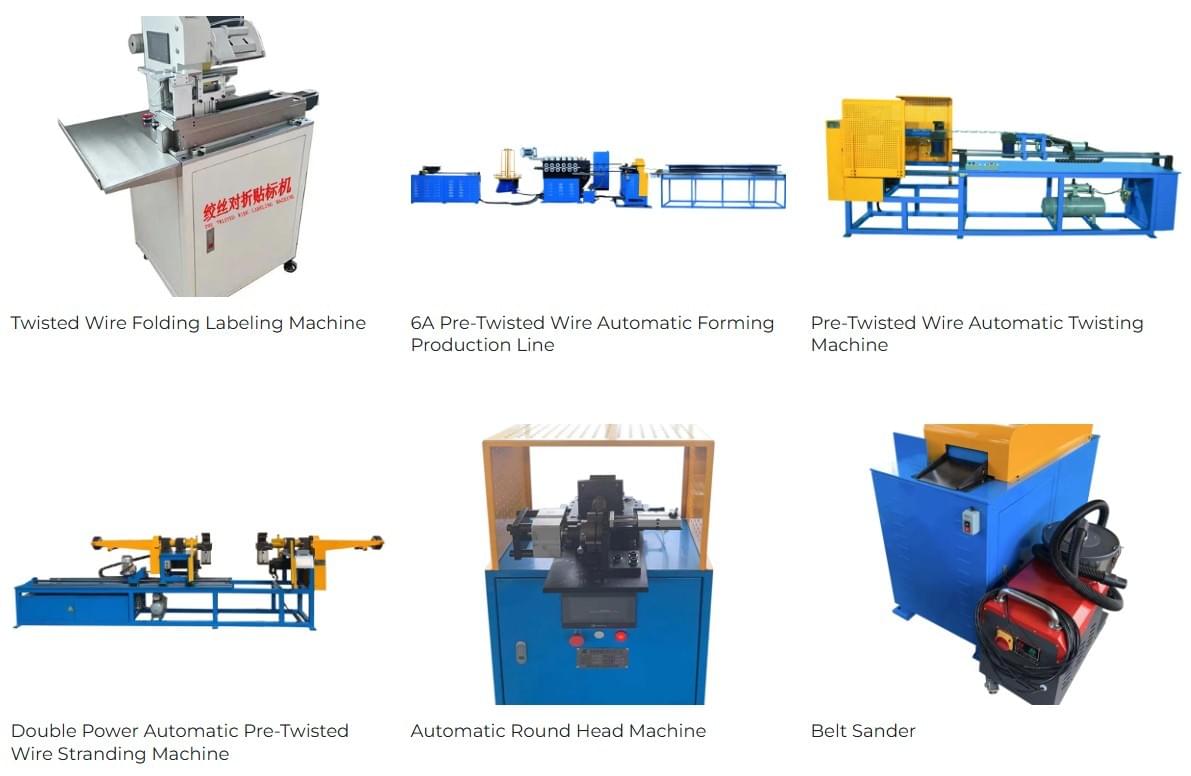
These handy devices provide the necessary support for various fixtures, from shelves to heavy equipment, ensuring they stay put even under stress. Understanding how wall anchors work is crucial for anyone looking to create a stable and safe environment.
How Wall Anchors Work
Wall anchors function by distributing weight across a larger surface area within the wall material, which prevents damage and ensures stability. When you insert a screw anchor or bolt anchor into a wall, it expands or grips the surrounding material, creating a secure hold that can withstand significant loads. This mechanism is particularly important in applications where utility pole anchors are involved, as they often need to support heavy electrical infrastructure.
The effectiveness of wall anchors depends on several factors including the type of anchor used, the material of the wall, and the weight of what is being hung. For instance, using a screw anchor in drywall differs greatly from using a bolt anchor in concrete; each requires specific techniques for optimal performance. Understanding these nuances will help you choose the right type of anchor and bolt combination for your project.
Different Types of Wall Anchors
Wall anchors come in various types designed for different applications and materials. Common options include toggle bolts, which are perfect for hollow walls; expansion anchors that work well in solid materials; and screw-in anchors that offer simplicity for lightweight items. Each type has its own unique advantages—toggle bolts can hold significant weight while expansion anchors provide robust support in masonry.
Screw anchors are particularly versatile as they can be used with both drywall and wood surfaces without requiring extensive installation efforts. Conversely, bolt anchors tend to provide stronger holds but may require more effort during installation due to pre-drilling needs or specific tools like a hammer drill. When selecting between screw anchor or bolt anchor options, consider both your project's requirements and your skill level.
Choosing the Right Wall Anchor for Your Project
Start by evaluating what you plan to hang: heavier items will require stronger options like bolt and anchor combinations that ensure maximum support without risk of failure over time.
Additionally, consider your wall material; different surfaces dictate which type of screw or bolt will perform best without compromising structural integrity. It’s essential not only to choose high-quality products but also to follow manufacturer guidelines regarding load limits—this ensures safety while prolonging life expectancy for both fasteners and fixtures alike.
In conclusion, understanding how different types of wall anchors work will empower you to make informed decisions about securing various installations effectively—whether you're working on home improvements or tackling larger infrastructure projects involving utility pole anchoring systems.
Understanding Screw and Bolt Anchors
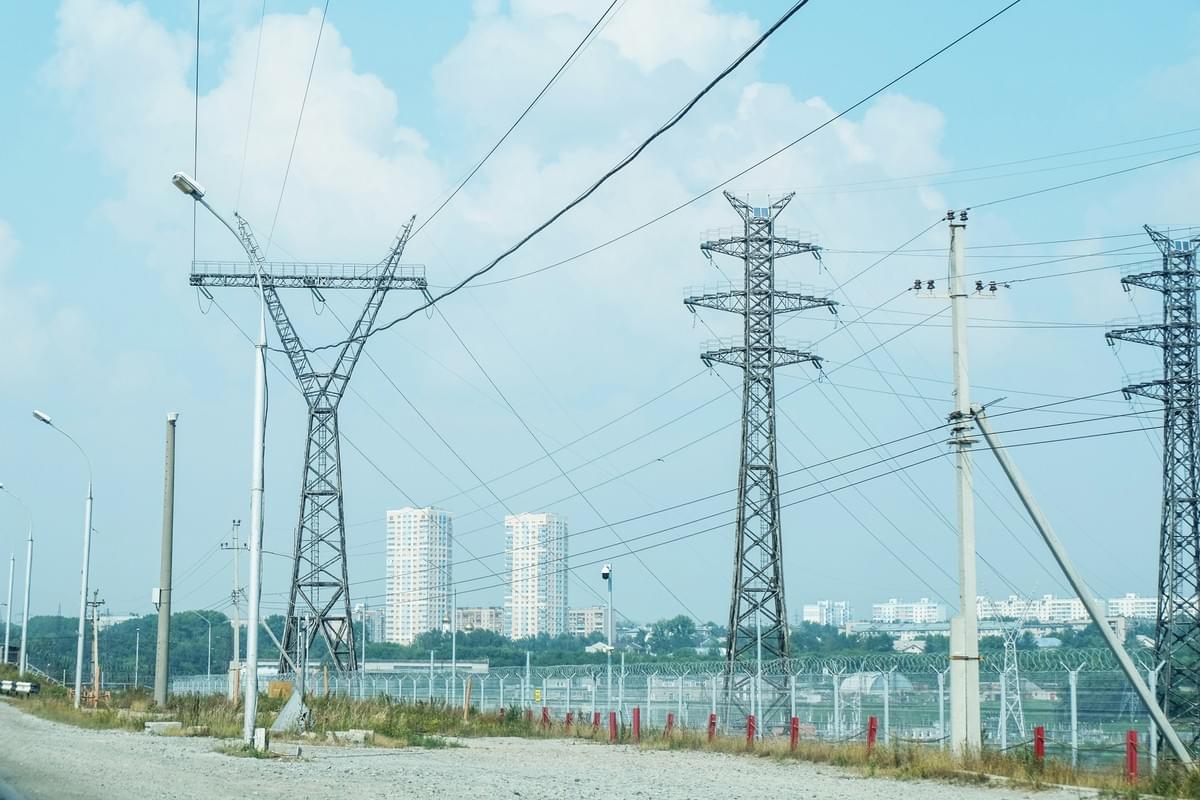
When it comes to securing structures, screw and bolt anchors are essential components that offer durability and reliability. These anchors ensure that utility poles remain steadfast against the elements, providing a solid foundation for electrical infrastructure. Their design allows for easy installation while maintaining strength, making them a favorite among construction professionals.
Benefits of Screw and Bolt Anchors
Screw and bolt anchors possess numerous advantages that make them ideal for various applications. One significant benefit is their ability to provide superior holding power, which is crucial when dealing with heavy loads or adverse weather conditions. Additionally, they are relatively easy to install; a simple twist of a screw anchor or tightening of a bolt in anchor can secure your structure effectively.
Moreover, these anchors can be used in diverse materials such as concrete, wood, or masonry, making them versatile choices for both utility pole anchor installations and wall anchors in residential projects. With their corrosion-resistant finishes available, screw and bolt anchors also promise longevity by resisting wear from environmental elements. This combination of strength, ease of use, and adaptability makes screw and bolt anchors indispensable tools in construction.
Comparing Bolt Anchors and Screw Anchors
While both bolt anchors and screw anchors serve the same fundamental purpose—securing structures—they do have distinct characteristics that set them apart. Bolt anchors typically require pre-drilled holes for installation; once inserted into these holes, they expand to create a tight fit within the material. On the other hand, screw anchors can be directly twisted into place without needing pre-drilling in many cases.
Another difference lies in their load-bearing capabilities; while both types can handle significant weight, bolt anchors often excel in high-load applications due to their expansive grip within the material they penetrate. Conversely, screw anchors are often preferred for lighter-duty tasks where ease of installation is paramount—think wall mounts or utility pole anchor setups where quick fixes are necessary without compromising safety standards. Ultimately, understanding these differences helps you choose the right tool for your project.
Applications in Electrical and Construction Projects
In electrical projects specifically involving utility poles, choosing between a screw anchor or bolt anchor can significantly impact stability over time. For instance, when installing utility pole anchors deep into the ground or anchoring overhead lines securely against strong winds or ice loads—bolt anchoring systems tend to be favored due to their robust holding power under strain. Meanwhile, wall anchors come into play when dealing with lighter fixtures like outdoor lights or small signage.
In construction settings beyond electrical applications—screw and bolt combinations shine through as well! From securing beams during framing processes to fastening equipment on job sites—the versatility offered by these fasteners cannot be overstated; whether it's an anchor and bolt setup holding up scaffolding or ensuring safety measures are met with reliable connections throughout any project scope—the options are endless!
The Significance of Armor Rods in Electrical Applications
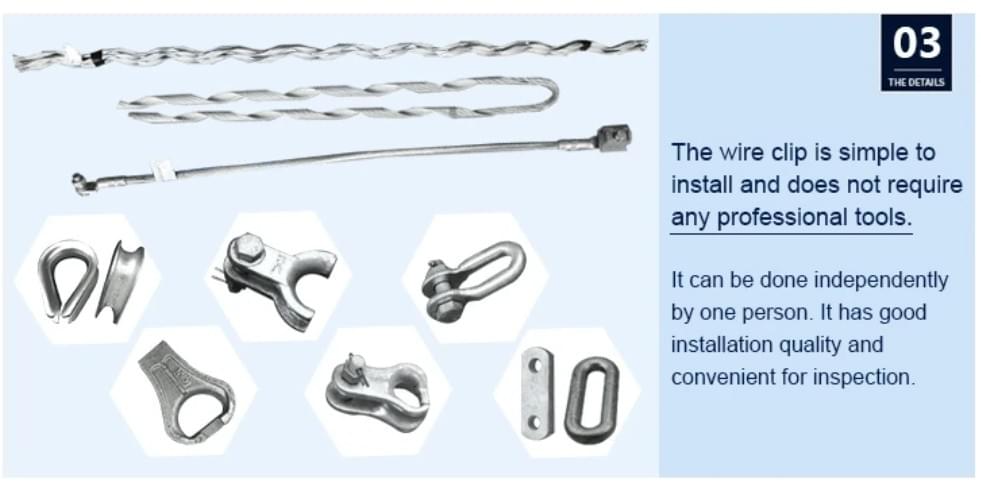
Armor rods play a crucial role in protecting electrical conductors from wear and tear, especially where they connect to utility pole anchors. These protective devices are designed to distribute mechanical stress and provide insulation, ensuring the longevity of electrical infrastructure. With various materials available, selecting the right armor rod is essential for maintaining the integrity of your installation.
Overview of Armor Rods and Their Materials
Armor rods are typically made from materials like fiberglass, aluminum, or composite materials that offer excellent durability and resistance to environmental factors. They serve as a protective layer around cables, particularly at points where they are anchored or fastened to utility pole anchors. By reducing friction and preventing abrasion, armor rods help maintain the functionality of both screw anchor and bolt anchor systems used in electrical setups.
Selecting the Right Armor Rod Material
Choosing the right material for your armor rod hinges on several factors including environmental conditions, load requirements, and compatibility with existing hardware like screw and anchor systems or bolt and anchor configurations. For instance, fiberglass armor rods are lightweight yet strong enough for most applications, while aluminum options may be better suited for high-stress environments due to their enhanced strength-to-weight ratio. Ultimately, selecting an appropriate material ensures that your anchor and bolt systems remain secure over time.
Spark Fittings: Custom Armor Rod Solutions
When it comes to custom solutions for armor rods, Spark Fittings stands out by offering tailored options that meet specific project requirements. Whether you need specialized sizes or unique materials that complement your wall anchors or utility pole anchors, Spark Fittings provides innovative designs that enhance performance across various applications. With a focus on quality craftsmanship in every screw in anchor or bolt in anchor solution they produce, Spark Fittings is dedicated to ensuring reliable electrical infrastructure.
Maintenance and Safety Considerations
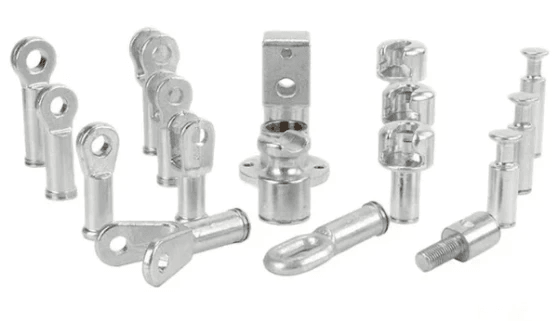
Maintaining the integrity of utility pole anchors, wall anchors, and other fasteners is crucial for ensuring the safety and reliability of electrical infrastructure. Regular inspections can help identify potential issues before they escalate into serious problems. By staying proactive with maintenance, you can extend the lifespan of your screw anchor, bolt anchor, and other essential components.
Regular Inspection of Anchors and Fasteners
Regular inspection of utility pole anchors and fasteners should be a fundamental part of any maintenance routine. This involves checking not only the visible parts but also assessing the surrounding soil conditions that may affect the stability of these structures. For wall anchors, screw anchors, and bolt anchors alike, a thorough examination can reveal signs of corrosion or loosening that could compromise their effectiveness.
Inspecting bolt in anchor systems is particularly important in areas prone to extreme weather or seismic activity. These environmental factors can put additional strain on your anchoring systems, making it vital to ensure everything is secure. By adhering to a regular inspection schedule, you minimize risks associated with faulty fasteners and ensure that your infrastructure remains safe for all users.
Signs of Wear That Require Immediate Attention
Recognizing signs of wear on utility pole anchors or any fastening system is essential for maintaining safety standards. Look out for rust or corrosion on metal components; this deterioration can weaken both screw anchor and bolt anchor systems significantly over time. Additionally, if you notice any movement in an anchor and bolt assembly that was previously stable, it's time to investigate further.
Cracks in concrete or soil erosion around wall anchors are also red flags that indicate immediate attention is needed. These issues could lead to catastrophic failures if not addressed promptly. Remember: when it comes to maintaining screw and anchor systems or any type of fastener used in construction projects, early detection is key.
Best Practices for Utility Infrastructure Safety
To ensure the longevity and safety of your anchoring systems like utility pole anchors or wall anchors, implementing best practices is crucial. Always follow manufacturer guidelines during installation; this ensures you're using the right techniques tailored specifically for each type of screw anchor or bolt anchor you're working with. Regular training sessions for personnel involved in maintenance can also enhance awareness about what constitutes proper care for these essential components.
In addition to training and proper installation methods, consider developing a comprehensive maintenance log that tracks inspections over time—this will help you identify patterns related to wear on specific types of bolts or screws used across various projects. Lastly, always prioritize safety by wearing appropriate personal protective equipment (PPE) during inspections; after all, better safe than sorry!
Conclusion
As we wrap up our exploration of utility pole anchors, wall anchors, and the various types of screw and bolt anchors, it becomes clear that choosing the right anchor is not just a matter of convenience; it’s a critical decision that affects the safety and longevity of electrical infrastructure. The right anchor and bolt combination can withstand environmental stressors while ensuring stability for utility poles and other structures. Hence, understanding the nuances between different types of anchors can save time, resources, and potentially lives.
Why Choosing the Right Anchor Matters
Selecting the appropriate utility pole anchor is essential for maintaining structural integrity. An ill-suited anchor or bolt in anchor could lead to catastrophic failures during storms or extreme weather conditions. Moreover, using the wrong type of wall anchors in your project can compromise safety standards, making it imperative to understand which screw anchor or bolt anchor will best suit your needs.
The Future of Anchors, Bolts, and Fasteners
The future holds exciting developments for screw and bolt anchors as technology continues to evolve in construction and electrical applications. Innovations are leading to stronger materials that enhance durability while reducing installation times for both wall anchors and utility pole anchors. As industries prioritize sustainability, we may also see eco-friendly options emerging in the realm of fasteners—making choices not only about strength but also about environmental impact.
Spark Fittings as a Leader in the Industry
In this ever-evolving landscape, Spark Fittings stands out as a leader dedicated to quality and innovation in anchoring solutions. With their extensive range of products including robust screw anchor designs and reliable bolt anchor options, they provide tailored solutions for diverse applications—from utility poles to intricate construction projects. By prioritizing safety through rigorous testing standards, Spark Fittings ensures that every anchor and bolt they produce meets industry demands while setting benchmarks for excellence.